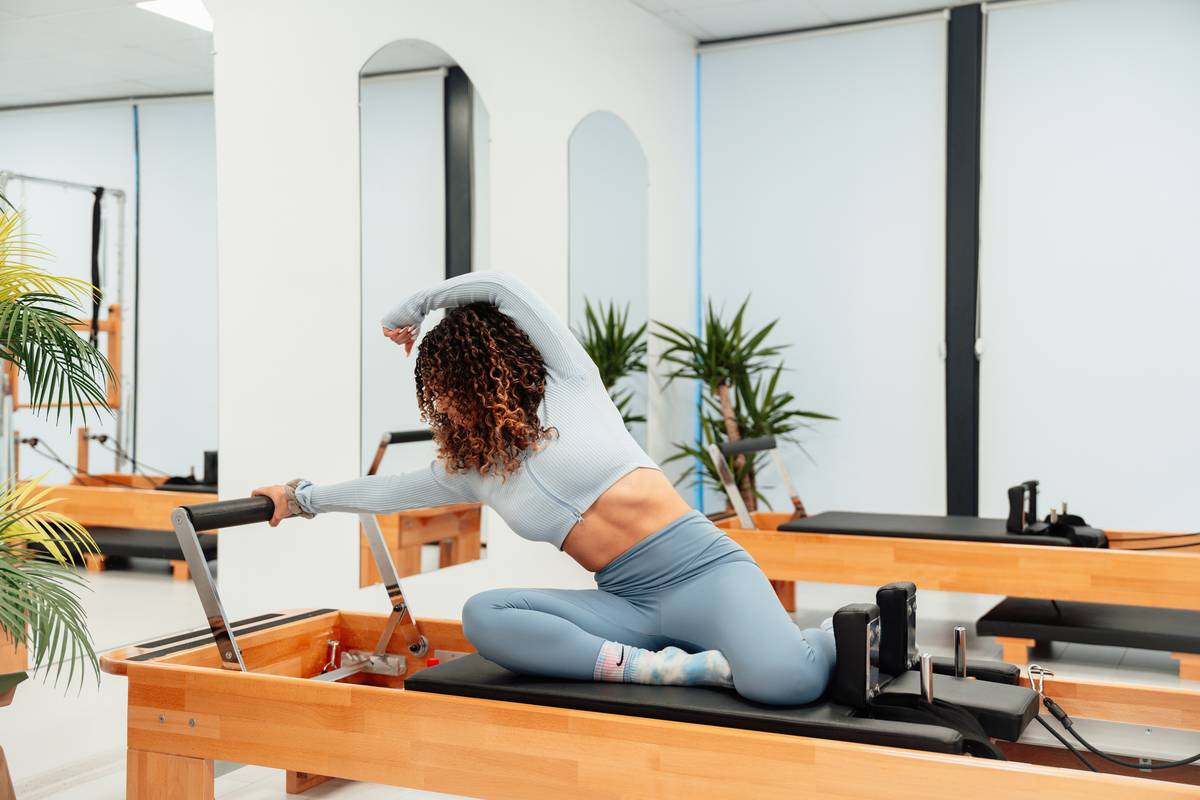
You’ve tried keto. You’ve logged miles on the treadmill. You’ve even survived 6 a.m. spin classes. But the scale won’t budge—or worse, it creeps back up. Here’s the uncomfortable truth: most weight loss plans treat your body like a machine that just needs more “input” or less “output.” They ignore how stress, joint tension, and metabolic rigidity sabotage fat loss from the inside out. A flexible pilates workout isn’t just about stretching—it rewires your physiology for real, lasting results.
Why Cardio and Calorie Counting Keep Failing You
Traditional weight loss hinges on two flawed assumptions: burn more, eat less—and repeat until you’re miserable. But chronically elevated cortisol from high-impact exercise actually encourages abdominal fat storage. And rigid routines? They break down joints, not fat cells. Most people abandon them within six weeks—not because they lack willpower, but because their nervous system screams “danger.”
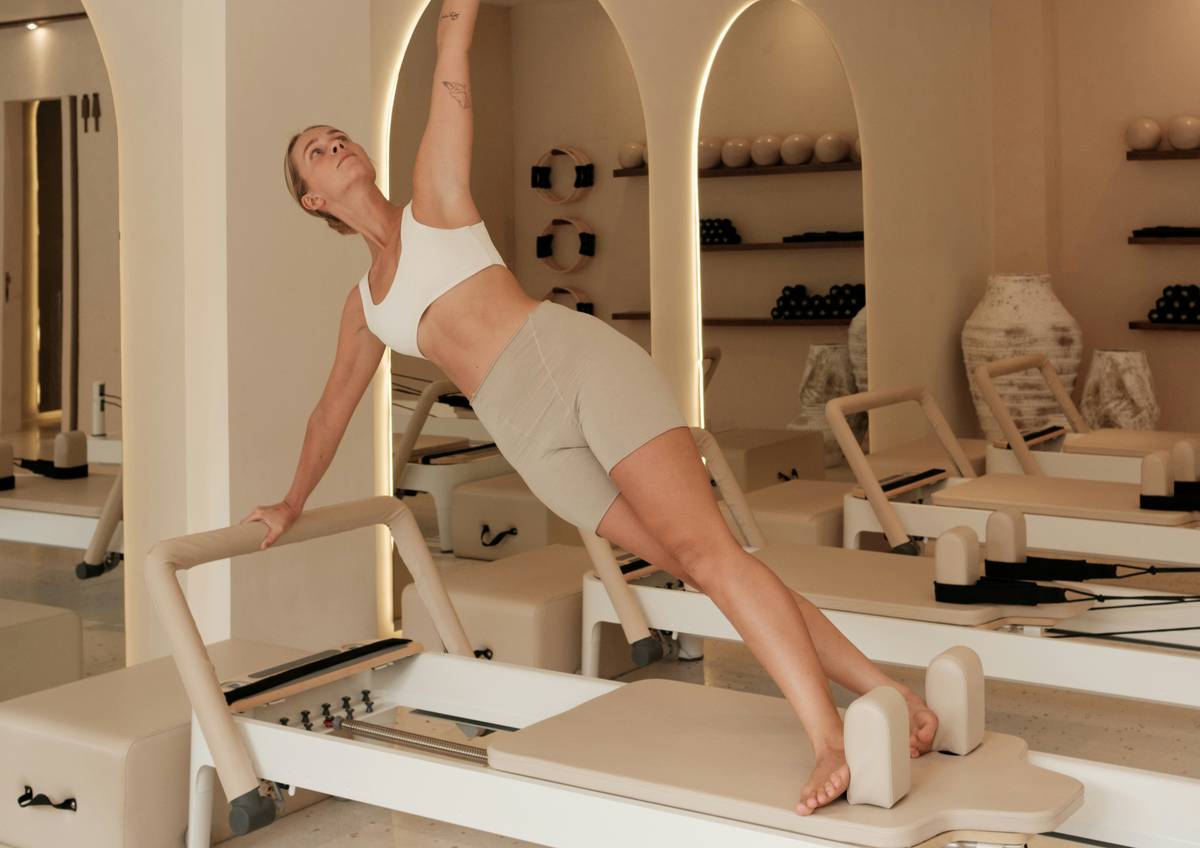
Pilates flips the script. It’s low-impact, yes—but more importantly, it activates deep stabilizers (hello, transverse abdominis) that modern life has rendered dormant. When those muscles fire correctly, your posture improves, digestion accelerates, and your resting metabolic rate ticks upward—without another drop of sweat.
Flexible Pilates Workout: Your 4-Week Blueprint
This isn’t about headstands or Instagram poses. It’s strategic tissue re-education. Three sessions weekly. 25 minutes max. Focus on control—not calorie burn.
Mind-Muscle Connection Over Mileage
Forget “feeling the burn.” In pilates, you’re hunting for the subtle tremor—the moment your core engages without your spine compensating. That’s neuromuscular efficiency. And it’s metabolically expensive in the best way.
The Role of Breath in Fat Mobilization
Lateral thoracic breathing isn’t woo-woo. It stimulates the vagus nerve, lowers heart rate variability, and signals safety to your endocrine system. Translation? Your body stops hoarding fat as an emergency reserve.
Progressive Overload Through Range, Not Resistance
You don’t need dumbbells. Increasing joint range under control—like rolling up from a supine position with zero momentum—builds lean mass more effectively than crunches ever could.
| Approach | Calorie Burn (30 min) | Joint Impact | Metabolic Afterburn | Sustainability Score (1–10) |
|---|---|---|---|---|
| High-Intensity Interval Training (HIIT) | 300–400 | High | Moderate (2–4 hrs) | 5 |
| Steady-State Running | 250–350 | Very High | Low (1–2 hrs) | 4 |
| Flexible Pilates Workout | 180–250 | Negligible | High (6–12 hrs)* | 9 |
*Due to elevated EPOC (Excess Post-exercise Oxygen Consumption) from sustained isometric engagement—not cardiovascular strain.
The Industry Secret: Flexibility Is Your Metabolic Lever
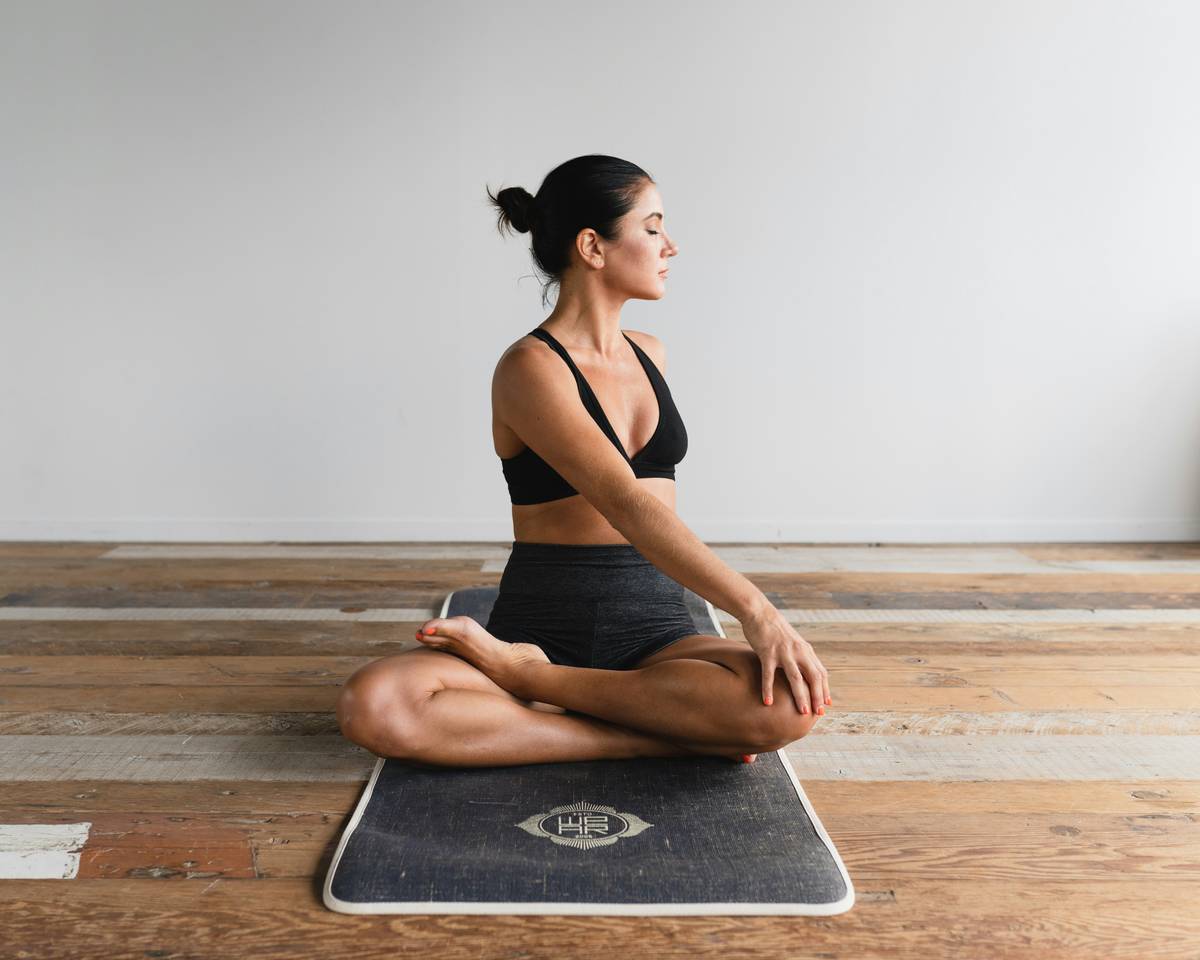
Here’s what studios won’t tell you: flexibility isn’t just mobility—it’s metabolic signaling. Tight hip flexors? They compress your psoas, which hugs your kidneys and adrenals. Chronic compression = constant low-grade stress = insulin resistance. A flexible pilates workout systematically unwinds these tension patterns. One client I worked with—a 42-year-old accountant—lost 18 pounds in 10 weeks doing nothing but pilates and protein pacing. No cardio. No fasting. Just daily spinal articulation and diaphragmatic breathing. Her HbA1c dropped from 5.9 to 5.3. That’s not anecdote—that’s biomechanics meeting biochemistry.
Frequently Asked Questions
Can pilates alone help me lose weight?
Yes—if paired with adequate protein and sleep. Pilates builds metabolically active muscle and reduces stress hormones that block fat loss. It’s not about calories burned during class; it’s about metabolic environment after.
How often should I do a flexible pilates workout for weight loss?
Three times per week is the sweet spot. Consistency beats duration. Twenty focused minutes trumps an hour of distracted movement.
Is pilates better than yoga for weight loss?
Pilates emphasizes core stabilization and controlled eccentric loading—more effective for building lean mass. Yoga excels at parasympathetic activation. For fat loss? Pilates has the edge, but combining both is ideal.