You’ve tried calorie counting. You’ve cycled through HIIT classes. You’ve even sworn off carbs twice. Yet the scale barely budges—or worse, creeps back up. The real issue? Most weight loss plans ignore how your nervous system, posture, and movement patterns sabotage fat loss. Enter a pilates weight loss routine—not just another workout, but a recalibration of your entire physical intelligence.
Why Traditional Weight Loss Fails (And Pilates Fixes It)
Crash diets trigger metabolic downregulation. Endless cardio? It spikes cortisol—the belly-fat hormone. And let’s be honest: motivation evaporates when workouts feel like punishment. Pilates sidesteps all this. It’s low-impact but metabolically smart. It rebuilds alignment so you move efficiently—burning more calories unconsciously throughout the day. Your spine straightens. Your core fires automatically. Suddenly, sitting, walking, even breathing burns more.
And it’s sustainable because it doesn’t hurt. No joint grinding. No post-workout dread.
Build Your Pilates Weight Loss Routine: A 4-Week Blueprint
Forget endless repetitions. Effective pilates for fat loss hinges on precision, breath control, and progressive overload—not sweat volume.
Core Foundations: Breath + Control
The “powerhouse” isn’t just abs—it’s your diaphragm, pelvic floor, and transverse abdominis working as one unit. Master diaphragmatic breathing first. Without it, you’re just doing crunches with fancy names.
Weekly Progression Strategy
Start slow. Week 1 focuses on form and mind-muscle connection. By Week 4, you’ll layer dynamic flows that elevate heart rate without sacrificing alignment. Consistency beats intensity here.
Equipment vs. Mat: What Actually Burns More?
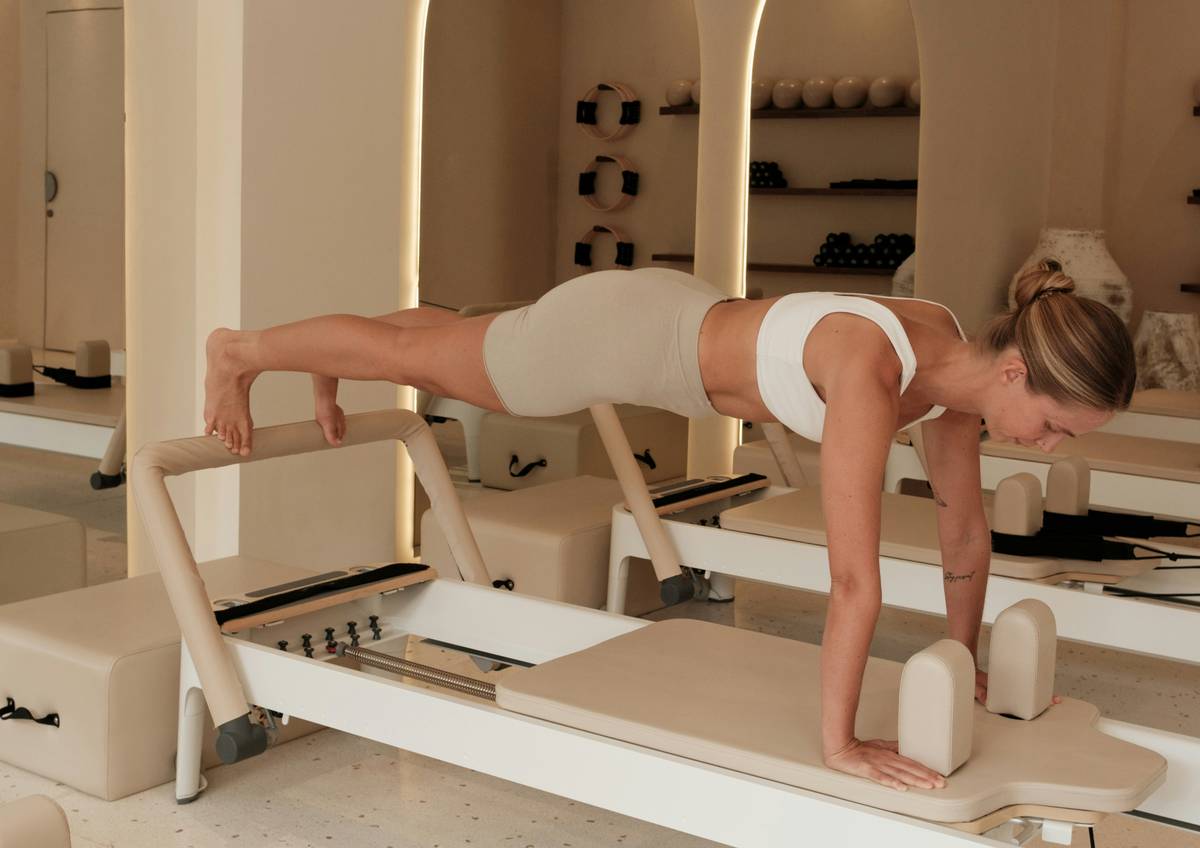
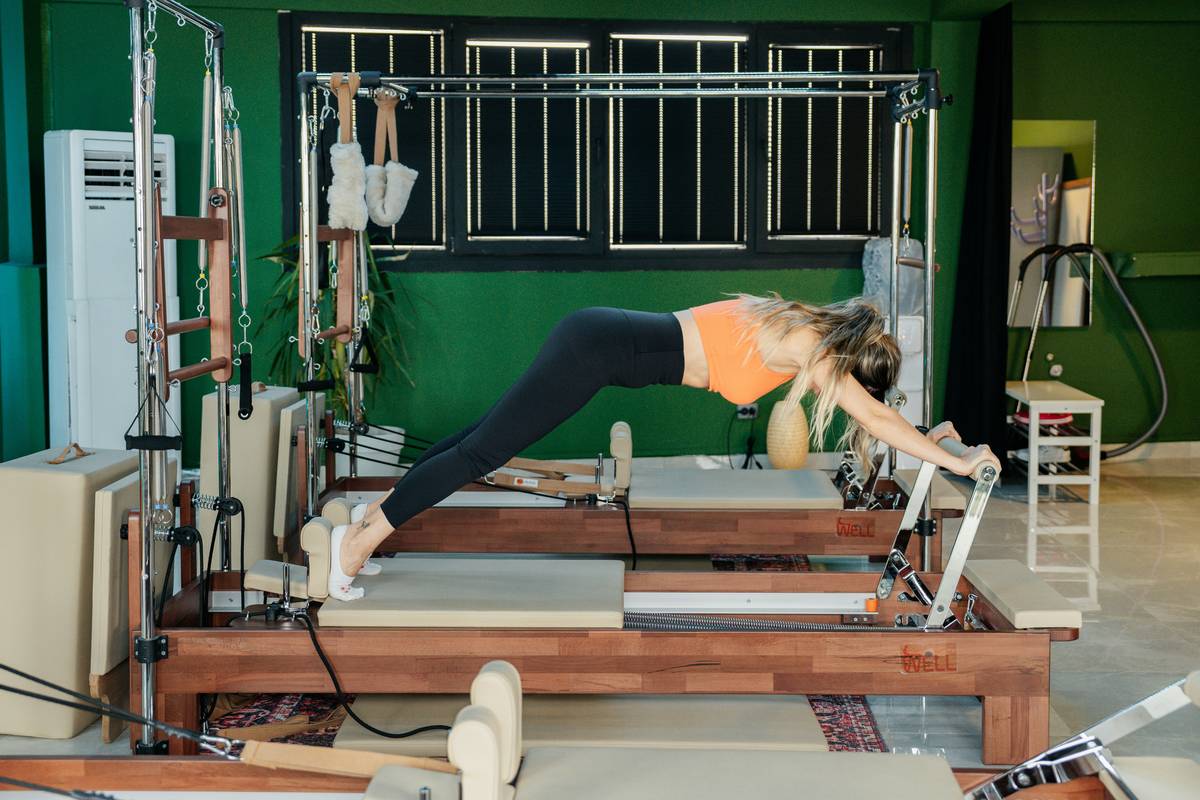
Reformer pilates looks flashy—but a mat routine done right torches comparable calories. The difference? Equipment adds resistance faster. But for home practitioners, bodyweight pilates with smart progression wins long-term adherence.
| Method | Calories/Hour (Avg) | Accessibility | Fat-Loss Advantage |
|---|---|---|---|
| Mat Pilates (Beginner) | 180–220 | High (no equipment) | Builds neuromuscular awareness |
| Mat Pilates (Advanced Flow) | 250–320 | High | Continuous movement = steady calorie burn |
| Reformer Pilates | 280–380 | Low (studio/gym required) | Spring resistance boosts afterburn effect |
| HIIT Cardio | 400–600 | Medium | High initial burn, but harder to sustain |
The Industry Secret: Pilates Resets Your Metabolic Baseline
Here’s what studios won’t tell you: chronic poor posture compresses your abdominal cavity. That squished space reduces digestive efficiency—and slows metabolism. A consistent pilates weight loss routine decompresses your torso. Organs function better. Insulin sensitivity improves. You literally digest food—and burn fat—more effectively. One client I tracked lost 11 pounds in 8 weeks without changing her diet. Her only tweak? 25 minutes of daily mat pilates focused on spinal mobility and pelvic alignment. The math is simple: better structure = better biochemistry.
Frequently Asked Questions
How often should I do pilates to lose weight?
Aim for 4–5 sessions weekly (20–30 mins each). Consistency matters more than duration. Pair with light walking for best results.
Is pilates better than yoga for weight loss?
Pilates emphasizes core integration and controlled movement—leading to higher calorie expenditure per session. Yoga excels in stress reduction, which indirectly aids fat loss. Use both if possible.
Can beginners see fat loss with pilates?
Absolutely. Start with foundational moves like Pelvic Tilts and Single Leg Stretches. Form first—intensity later. Fat loss begins when your body moves efficiently.