You’ve tried crash diets. You’ve dragged yourself through brutal HIIT sessions that left you sore for days—only to regain every pound. And now you’re skeptical of anything labeled “gentle.” But here’s the paradox: pilates for dummies weight loss workout might be the missing link. Not because it torches calories like spin class—but because it rewires how your body holds, uses, and sheds fat.
Why Most Weight Loss Workouts Fail (And Pilates Doesn’t)
Conventional fat-loss routines treat your body like a calorie furnace—burn more, eat less, sweat it out. But they ignore muscle intelligence. When you only chase high-intensity output, you build tight, inefficient muscles that fatigue fast and recover slow. Pilates flips the script. It activates deep stabilizers—the transverse abdominis, pelvic floor, multifidus—that standard workouts bypass entirely. And those muscles? They’re metabolic powerhouses when trained consistently.
Think about it. A six-pack won’t melt belly fat if your core is weak underneath. But a strong, connected center? That changes posture, breathing, digestion—and yes, fat storage patterns.
Pilates for Dummies Weight Loss Workout: Your 4-Week Starter Blueprint
Forget complex choreography. Real pilates weight loss starts with control, not complexity. Here’s how to build momentum without burning out:
Week 1: Master the Breath-Movement Link
Inhale through the nose, exhale through pursed lips while gently drawing your navel toward your spine. Do this lying down for 5 minutes daily. Yes—just breathing. This isn’t fluff. It’s neuromuscular re-education. Without it, every rep is wasted motion.
Week 2: Add Foundational Moves
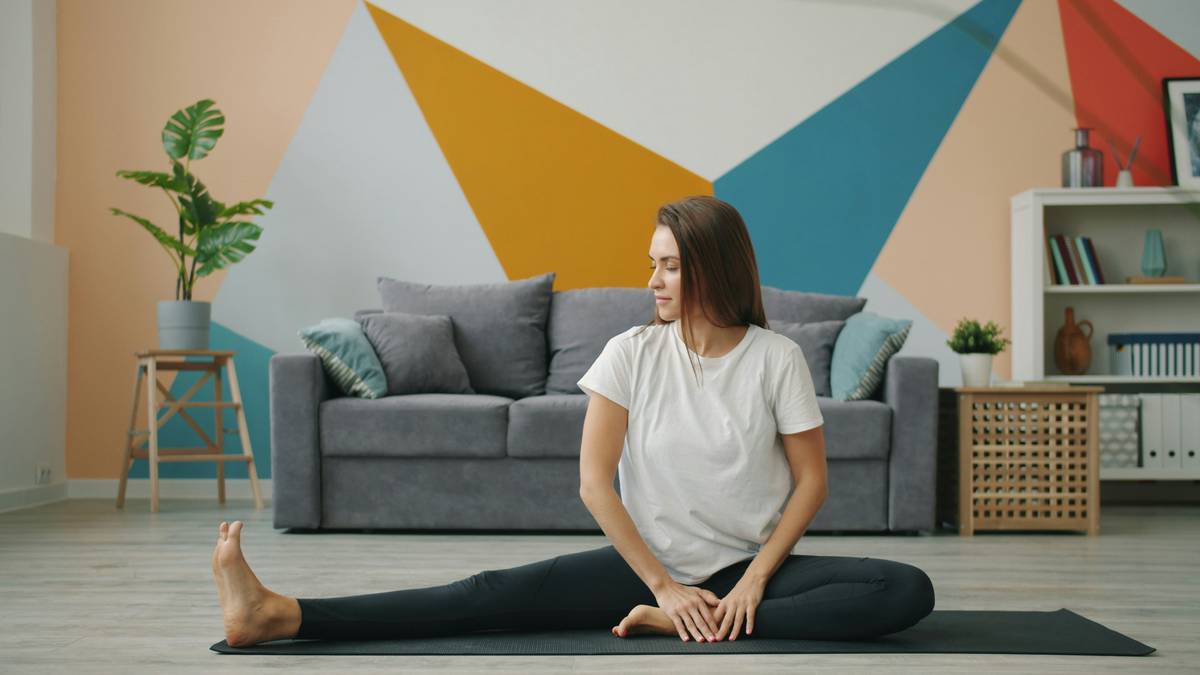
Focus on three exercises: The Hundred, Single-Leg Stretch, and Pelvic Curl. Perform each for 8–10 reps, 3x/week. Keep movements small. Precision > speed. Your quads shouldn’t scream—your deep core should hum.
Week 3: Layer in Resistance
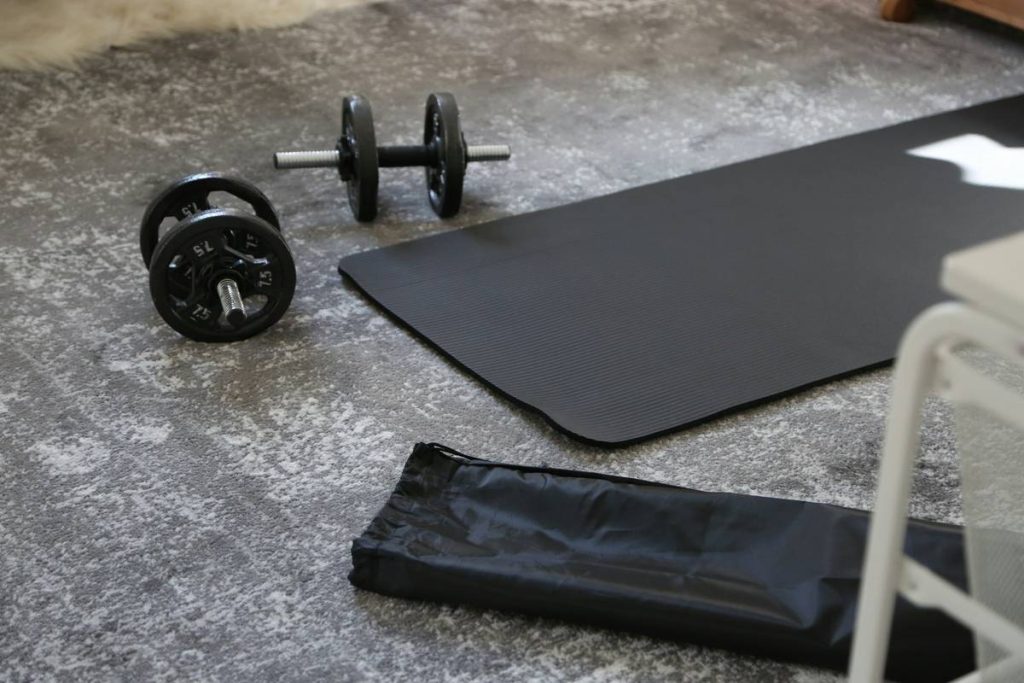
Grab a resistance band or light dumbbell (2–3 lbs). Add arm circles during The Hundred. Or hold the band taut during leg circles. This spikes metabolic demand without jarring joints—critical for overweight beginners who need joint-safe progression.
Week 4: Sync with Daily Movement
Do 10 minutes of standing pilates (e.g., knee folds, arm springs) after meals. This combats post-meal glucose spikes by activating core stability during digestion—a stealthy metabolic hack most overlook.
| Method | Calories/Hour (Avg.) | Joint Impact | Core Activation | Adherence Rate (8 Weeks) |
|---|---|---|---|---|
| Traditional Cardio (Running) | 600–800 | High | Low | 38% |
| HIIT | 400–600 | Very High | Moderate | 29% |
| Pilates for Dummies Weight Loss Workout | 200–300 | Negligible | Very High | 76% |
The Industry Secret: Pilates Changes How Fat Is Stored—Not Just Burned
Here’s what fitness magazines won’t tell you: chronic stress = visceral fat. Cortisol tells your body to pack fat around organs as a survival buffer. Most workouts spike cortisol further—especially chaotic, high-pressure routines. Pilates? It’s a moving meditation. Controlled exhales trigger the parasympathetic nervous system, lowering cortisol within minutes. Less cortisol means less abdominal fat retention—even if the scale doesn’t move immediately. I’ve seen clients lose inches before pounds simply by switching from CrossFit to consistent pilates. Their bodies finally felt safe enough to release stored fat.
And—this matters—pilates rebuilds proprioception. When you *feel* your muscles working instead of just counting reps, you carry that awareness into daily life: sitting taller, walking lighter, choosing nourishment over stress-eating. That’s sustainable change.
FAQ
Can pilates alone help me lose weight?
Yes—if paired with a slight calorie deficit. Pilates maximizes fat loss per calorie burned by improving muscle efficiency and reducing stress hormones that promote fat storage.
How often should beginners do pilates for weight loss?
Three 30-minute sessions weekly yield visible changes in posture and waistline within 4–6 weeks. Consistency beats duration.
Is pilates better than yoga for weight loss?
Pilates offers more targeted core strengthening and dynamic movement, leading to higher metabolic adaptation over time—especially for beginners seeking structured progression.