You’ve done the crunches. You’ve held the planks. Yet that stubborn midsection won’t budge. Worse—it feels weaker, not stronger. Traditional ab routines isolate muscles but ignore how your core actually functions in daily life. Here’s the fix: a core shaping workout rooted in Pilates doesn’t just sculpt—it reprograms your entire kinetic chain for sustainable fat loss and functional strength.
Why Your Abs Aren’t Showing (And It’s Not Just About Body Fat)
Most “flat stomach” programs treat the core like a vanity muscle—train it hard, burn calories, reveal definition. But that’s backwards. A weak transverse abdominis—the deep internal corset—lets your organs protrude slightly, creating that soft, distended look even at low body fat. And endless sit-ups? They shorten the rectus abdominis, pulling your ribcage down and compressing your spine. You’re literally making yourself look shorter and thicker.
Pilates flips the script. It trains intra-abdominal pressure control—how you manage breath, alignment, and tension holistically. This isn’t about “burning belly fat.” It’s about reshaping your internal architecture so fat loss reveals tone, not flab.
Your Step-by-Step Core Shaping Workout Plan
This isn’t another 30-day shred. It’s a movement reset. Do these three times weekly for six weeks. No equipment needed—just precision.
Phase 1: Breath Re-Education (Weeks 1–2)
Lie supine, knees bent. Inhale deeply into your ribs—don’t let your belly dome. Exhale fully while gently drawing your navel toward your spine without tucking your pelvis. Hold for 3 seconds. Repeat 10x. This activates the transverse abdominis without strain.
Phase 2: Dynamic Integration (Weeks 3–4)
Add limb movement. From the same position, extend one leg to 45 degrees on the exhale while maintaining pelvic neutrality. Alternate legs. 8 reps per side. Now your core stabilizes against real-world forces—not just static holds.
Phase 3: Loaded Control (Weeks 5–6)
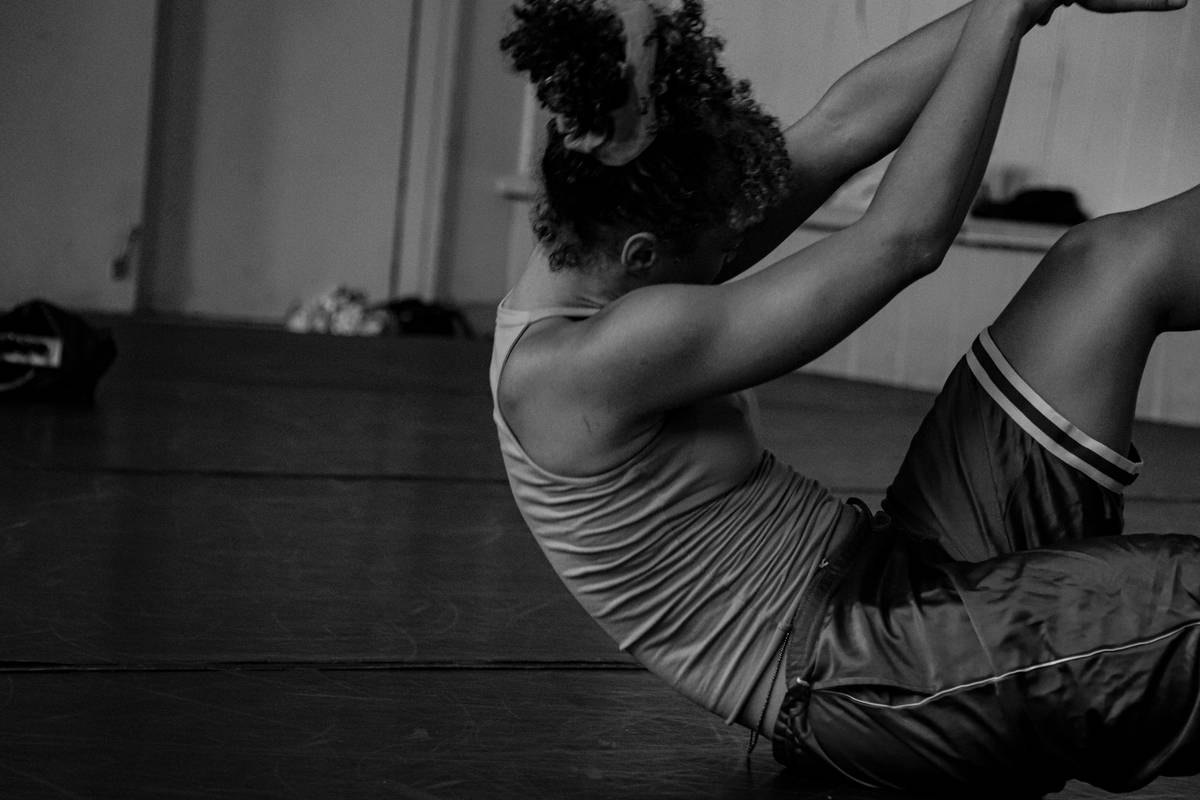
Progress to the Hundred prep: arms hovering, legs in tabletop. Pulse arms vigorously while keeping ribs glued to the floor. 10 breath cycles. The goal? Generate heat without sacrificing form. That’s where metabolic efficiency meets muscle integrity.
| Method | Calorie Burn (30 min) | Core Engagement Depth | Long-Term Posture Impact |
|---|---|---|---|
| Traditional Crunches | 90–110 | Superficial (rectus only) | Neutral to negative (spinal compression) |
| Plank Variations | 120–140 | Moderate (global stability) | Slightly positive (if aligned) |
| Pilates-Based Core Shaping Workout | 160–200 | Deep + integrated (transverse + obliques + diaphragm) | Strongly positive (spinal decompression, ribcage realignment) |
The Industry Secret: Core Tension ≠ Core Strength
Here’s what trainers won’t tell you: gripping your abs all day—“sucking it in”—actually weakens them. Chronic tension shuts off neural signaling. Your brain stops talking to those muscles. Pilates teaches intermittent engagement: activate when needed (lifting groceries, sprinting), release when safe (sitting, walking). This builds reflexive strength—the kind that keeps you upright without effort. And that’s metabolic gold: better posture = deeper breathing = higher oxygen utilization = more fat oxidized at rest. The math is simple. Stop clenching. Start coordinating.
Frequently Asked Questions
Can a core shaping workout help lose belly fat?
Not directly—but it creates the structural foundation so fat loss reveals definition. Without deep core activation, you’ll look “skinny fat” even at low weight.
How often should I do this Pilates routine?
Three non-consecutive days per week. Overtraining the core causes stiffness; recovery builds resilience.
Is this suitable for beginners with back pain?
Yes—if modified. Avoid flexion initially. Focus on breathing and pelvic neutrality. Consult a physio first if pain is acute.